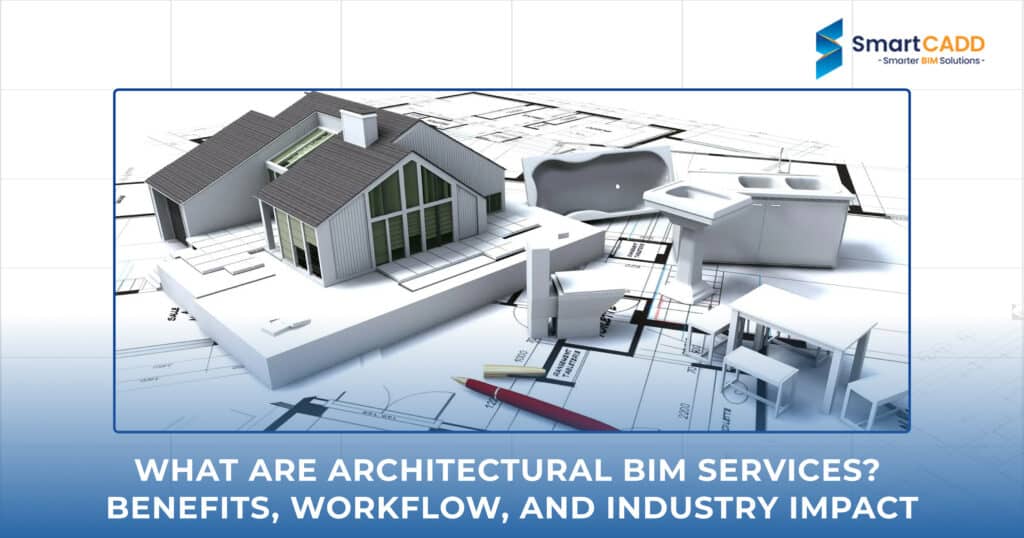

Architecture and construction move quickly. Teams need to work together to decide quickly and prevent mistakes. But many still use 2D drawings to plan buildings, and that makes the process slower. That is like using a paper map in a city where everyone else has GPS. This is where Architectural BIM Services come in.
Architectural BIM Modeling Services offer a better way. Instead of separate files and scattered updates, BIM brings everything into one model. It shows the building in 3D and includes important details—materials, measurements, timelines, and more. Everyone sees the same thing. Changes are updated in real time. Problems get spotted early.
In this blog, we will explore what Architectural BIM Services are, how they work, the benefits they offer, and their impact on the industry.
It is not just about saving time. It is about working smarter. BIM helps teams stay aligned, reduce errors, and deliver better results. And in today’s industry, that is not a bonus—it is the baseline.
Why Architectural BIM Is No Longer Optional
The Shift from 2D to Intelligent 3D Modeling
Many architecture teams still plan buildings using 2D drawings. These are fixed and don’t link well with other parts of the project. They do not show how systems interact. They do not catch problems early. And they do not support real collaboration.
Architectural BIM Services solve that. BIM stands for Building Information Modeling. It replaces 2D drawings with a smart 3D model. This model includes geometry, materials, timelines, and other data. It acts like a digital twin of the building—one that updates as the project moves forward.
This shift is not just about better visuals. It is about working with real information, in real time. Everyone—architects, engineers, contractors—sees the same model. They can spot clashes and track changes to make decisions faster.
And in the AEC industry, it is not just theory. A recent ArchAdemia report found that over 70% of architecture firms saw better results after switching to BIM. That includes fewer errors, faster approvals, and smoother handovers.
To learn more about the different modeling techniques used in architecture, check out our guide on What Types of 3D Modeling Are Used in Architecture?
Here is a clear table comparing 2D vs BIM workflows
| Aspect | 2D Workflows | BIM Workflows |
| Coordination | Limited collaboration across teams | Real-time coordination among stakeholders |
| Data Handling | Static drawings with minimal metadata | Rich, integrated data within 3D models |
| Error Detection | Issues are often found late during construction | Early clash detection and design validation |
| Updates | Manual revisions across multiple files | Automatic updates across linked components |
| Visualization | Flat, technical drawings | Interactive 3D models with spatial context |
| Decision Making | Slower due to fragmented information | Faster with centralized, accurate data |
| Project Outcomes | Higher risk of delays and rework | Improved timelines and reduced RFIs |
What Are Architectural BIM Services?
Most building projects begin with plans and drawings. But drawings by themselves do not show how all the parts connect. They do not track materials, timelines, or changes. That is where Architectural BIM Services help.
BIM is a way to create a smart 3D model of a building. This model includes:
- The shape and structure (geometry)
- How spaces connect (spatial data)
- Details like materials, costs, and schedules (metadata)
Instead of using separate files, teams work from a single shared model. Each team looks at the same model. When something changes, it updates everywhere. That helps teams to stay in sync to make quicker decisions and avoid mistakes.
BIM architectural services help architects create buildings that are simple to build and run. They are used in homes, hospitals, offices—any project where planning and teamwork matter.
For a deeper understanding of how 3D modeling supports the construction process, explore our article on What Is Architectural 3D Modeling? Benefits in Construction.
Core Services That Power BIM Architecture
BIM Architectural Services include a few key tools that help teams plan and build better. Each one solves a specific problem.
3D Scan to Revit Modeling
This service starts with laser scanning. It captures the exact shape and size of a building. That data becomes a point cloud, which is then turned into a Revit model. It is useful for old buildings, renovations, or any space that needs accurate documentation.
Use case: A team restoring a heritage site used Scan to BIM to avoid damaging original details. The model helped them plan without guesswork.
Watch how scan-to-BIM works—from site scan to Revit model
A quick demo can show how design issues are spotted and resolved in real time.
Scan To BIM in Autodesk Revit – Inserting Point Cloud
Architectural CAD Drafting
Not every project starts with BIM. Many still rely on CAD. It is a tool architects use to create clean, detailed drawings—especially when working with older buildings or records.
Architectural drafting services help organize drawings into layers. One for structure. One for plumbing. One for electrical. This makes it easier to read and update plans without confusion.
CAD services also support precision. Architects use them to show exact dimensions and materials with notes. These drawings follow industry standards and are often needed for permits or contractor handoffs.
Some teams prefer CAD because it works well with legacy files. Others use it alongside BIM to handle specific tasks. Either way, it is still a reliable part of the process.
Construction Documentation
Every project needs clear drawings. These include
- Floor plans
- Elevations
- Sections
- Schedules
Together, they guide the build and help teams get permits.
Construction Drawing Services make sure everything is documented properly. These drawings show what is being built and how everything connects. They also list the materials used for each section. They are also used to create permit sets for approval by local authorities. These drawings must follow local rules, which change by location and project type.
With BIM, drawings come straight from the model. If something changes—like a wall or window—the drawings update automatically. That keeps everything consistent and saves time.
Architectural design services use this process to avoid errors and reduce back-and-forth. It is a practical way to move from design to construction without losing details.
To see how BIM integrates with traditional documentation, read our breakdown of What Are Construction Documents? Key Components Explained.
Here is a sample annotated drawing set.

CAD Services
Some projects begin with BIM, but many still rely on CAD—especially when working with older drawings or formats that BIM does not support.
CAD services cover:
- 2D drafting for plans, sections, and elevations
- 3D modeling to visualize spaces and components
- File conversion from paper or outdated formats
- Detailing for construction and fabrication
These tasks help teams stay accurate and organized. CAD is often used to update old plans, prepare permit sets, or create technical drawings that follow local standards.
It also works well with BIM. For example, teams might clean up scanned drawings in CAD before importing them into a BIM model. Or they might use CAD for quick edits that do not need full model updates.
How BIM Enhances Design, Collaboration & ROI
Benefits of BIM Architectural Modeling Services
BIM is not just about 3D models. It is a way to make smarter decisions from start to finish.
Here is what Architectural BIM Modeling Services offer:
- Everyone uses the same model and sees changes right away.
- BIM finds problems—like systems clashing—before building starts. It saves time and rework.
- Clear plans and correct information mean fewer questions from clients and regulators.
- BIM models include specs, maintenance info, and system details. That helps owners manage buildings long after they are built.
These benefits make BIM architectural modeling services a practical choice for teams that want fewer delays and better results.

Workflow Integration with Other Stakeholders
BIM lets all teams work on the same model and see changes on the go. It keeps things clear and avoids confusion.
Here is how it works across key roles:
- Architects: They shape the design. BIM lets them see how their plans affect structure and systems in advance
- Structural Engineers: They focus on keeping the building safe and stable. BIM helps them catch problems early, before they get expensive.
- MEP Teams: These teams handle mechanical, electrical, and plumbing systems. These can clash with walls or beams, but BIM spots those issues before building starts.
- Contractors: They use the model to plan what is needed and when. It helps them stay on track and ask fewer questions during the build.
When everyone uses the same source, decisions happen quicker and less gets missed.
Implementing BIM in Your Next Project
Step-by-Step BIM Workflow

- Conceptual Design: Sketches and ideas take shape. Teams define goals, space needs, and layout.
- BIM Modeling: The design is built into a digital model with structure, systems, and materials.
- Documentation: Drawings and schedules are pulled from the model. These support permits and planning.
- Coordination: All the teams work in the same model. Conflicts are resolved early.
- Handover: The final model includes data for facility management—like maintenance and system specs.
To Sum Up,
Choosing the Right BIM Partner
Choosing a BIM partner is not just about knowing the software. It is about working with a team that understands your industry and follows clear quality checks with clear communication. They should be able to work closely with your team and adapt to your project needs. Look for experience in Architectural BIM Modeling Services, along with strong QA protocols. The right partner helps avoid delays and keeps coordination smooth.
About SmartCADD
SmartCADD is a trusted provider of Architectural BIM Services, offering CAD and BIM solutions across India and Australia. Our team works with architecture and engineering firms. Our models are accurate, and we handle detailing and documentation with care.
We have worked on healthcare, commercial, and data centre projects. We know how to meet tight deadlines and still do the job right. Our team adjusts to project needs and stays consistent by following clear quality checks from start to finish.
Source: https://www.smartcadd.com/what-are-architectural-bim-services-benefits-workflow-industry-impact/