
Dental implants can last a long time, but it depends on the type and how they’re placed. The rest comes down to how well you care for them. In Ahmedabad and other cities, people are choosing implants instead of bridges or dentures. They look real. They feel secure. And they also protect your jawbone. That is the reason many dentists recommend their patients with the best dental implant options.
If you are considering dental implants in Ahmedabad, it is important to know what you are getting into. Implants don’t last forever. The crown may need replacing after a few years. Implants aren’t a “set it and forget it” kind of thing; you’ve actually got to take care of them a bit if you want ’em to last.
Honestly, knowing the basics of dental implant lifespan can be super helpful. Makes it a lot easier to pick what’s right for you.
| Implant Type | Material | Average Lifespan | Notes |
| Standard Titanium | Titanium alloy | 25–30 years or more | Most widely used; excellent osseointegration and durability |
| Zirconia Implants | Zirconium dioxide | 15–20 years | Metal-free; good aesthetics, but less flexible under stress |
| Mini Implants | Titanium alloy | 10–15 years | Smaller diameter; used for narrow ridges or temporary solutions |
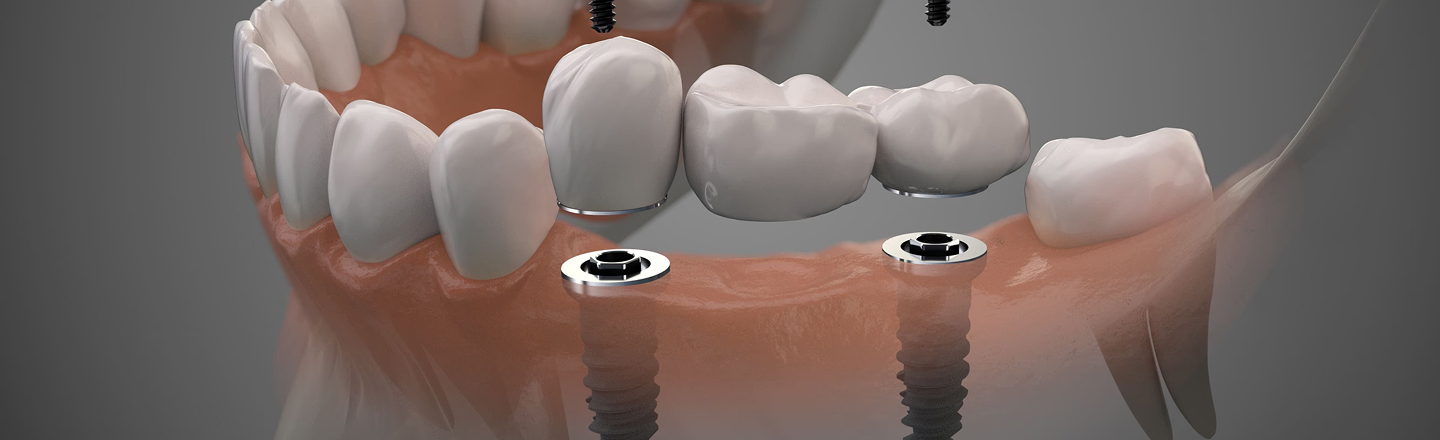
| All-on-4 Implants | Titanium + prosthesis | 20–25 years | Full-arch restoration; it depends heavily on bone quality and hygiene |
| Subperiosteal Implants | Custom metal framework | 10–15 years | Rarely used today; placed above the bone for patients with insufficient bone |
So, you’re thinking about getting implants. Let’s talk real, there’s a bunch of stuff that messes with how long they’ll actually stick around. Do you want to keep them solid for, like, decades? Here’s what you need to know (and do).
What Are Dental Implants & Why Are They Considered the Best Tooth Replacement Option?
Dental implants take the place of lost teeth and remain secure without moving. They also protect your jawbone. That’s why many dentists choose them as the best dental implant option.
Implants feel natural and stay strong much longer than dentures or bridges.
Discover everything you need to know about dental implants in this guide.
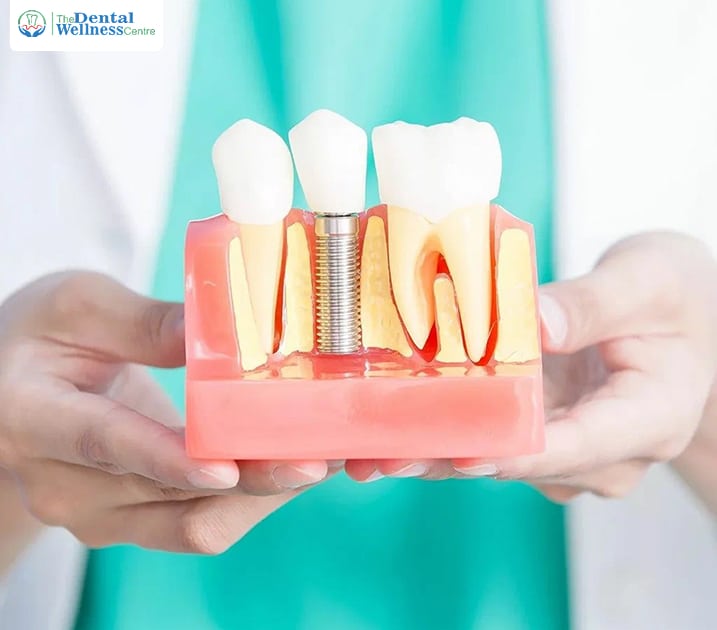
Parts of a Dental Implant
Each implant has three parts:
- Implant post: This goes into the jawbone. It’s made of titanium.
- Abutment: Connects the post to the crown.
- Crown or prosthesis: The part you see. It looks like a real tooth.
The implant attaches to the bone via a process known as osseointegration.
Main Benefits of the Best Dental Implants
- Implants just blend right in; nobody can recognize them as fake unless you tell them the secret.
- They stick where they’re supposed to (unlike dentures that sometimes hurt when you sneeze).
- If you treat them right, they will outlast for several years.
- They actually keep your jawbone from shrinking away.
- They protect your bones. Your face does not get all sunken and weird.
- They can function like Natural teeth
- You can eat & chew food nicely to live Longer, unlike removable dentures.
No wonder dentists keep recommending implants over those traditional solutions.
How Long Do Dental Implants Last?
When done right, the dental implant’s life can stretch across decades.
Average Lifespan of Each Component
Alright, check out this table, super straightforward. It breaks down the dental implant lifespan of each component.
| Component | Average Lifespan | Notes |
| Implant Post | 25+ years or lifetime | Made of titanium; rarely needs replacing |
| Crown | 10–15 years | May wear down or chip over time |
| Abutment | 15–20 years | Connects post to crown; durable but replaceable |
Factors That Influence Longevity
Several things can shorten your dental implant lifespan. Here’s what matters most:
- Oral hygiene habits: For starters, if you slack on brushing and flossing or skip dentist appointments, you’re basically inviting trouble. That’s the fastest way to damage an implant.
- Bone density and health: Your jawbone needs to be strong. If it’s healthy, the implant has a better chance of staying in place long-term.
- Smoking and alcohol use: Smoking and heavy drinking slow healing. They also raise the risk of implant failure. If you want the implant to last, cut back.
- Skill of the dental surgeon: Honestly, the dentist’s skill is everything. You want someone who’s been around the block, not just some newbie poking around; it makes a world of difference.
- Type of implant used: Don’t go for cheap ones. Those cheap implants might sound tempting, but they wear down fast or just fit weirdly. The good stuff costs more for a reason: it lasts and actually does the job right.
Here’s a clear, grounded comparison of specialist dental implants vs. low-cost dental implants,
| Feature | Specialist Dental Implants | Low-Cost Dental Implants |
| Material quality | High-grade titanium or zirconia | Often, lower-grade alloys or generic titanium blends |
| Precision & fit | Custom-designed for better bone integration | May use standard sizing; less precise fit |
| Surgeon expertise | Placed by trained implant specialists with digital technology equipped & always upgraded with new Advances in the Field. | May be placed by general dentists with limited training |
| Technology used | Advanced imaging and guided placement | Basic tools and techniques |
| Longevity | 25+ years with proper care | May need replacement sooner due to wear or failure |
| Cost | Higher upfront investment | Lower initial cost |
| Success rate | Over 95% success over 10 years | Varies; often lower due to placement or material issues |
Disadvantages of Dental Implants You Should Know
Dental implants work well for many people, but they are not a magic fix for everyone. Before you dive in, there is some stuff you seriously need to think about.
Common Risks and Limitations
- Surgical risks: Sometimes, Implant surgery goes sideways. You could face an infection, get your nerves all messed up, or even have some weird sinus around your upper jaw. These things do not happen every day, but we can not say they will never happen.
- Cost considerations: The special dental implants are more expensive, but they last longer and fit properly. On the other hand, low-cost dental implants look like a good deal, but generally, they do not last as long. Paying more up front can help you avoid problems later.
- Healing time and multiple appointments: The process takes time. You’ll need multiple appointments, from placement to final fitting.
- Not suitable for everyone: Implants don’t work for everyone. If your bones are weak or your gums aren’t healthy, implants might not suit you. Similarly, if you are a diabetic patient and diabetes is not under control, healing can be slow. You might also need a bone graft, which takes time and isn’t always simple.
Long-Term Complications
- Dental implant failure: Sometimes implants do not stick to the bone like they should. Moreover, infection or slow healing can make them lose or cause them to fail. It is not common, but when it happens, it’s a hassle.
- Peri-implantitis: This is basically when your gums throw a fit around the implant. If you ignore it (not recommended, unless you like expensive regrets), the infection can trash your bone and cause the implant to fail.
How Long Do Dental Implants Take to Heal?
It is not a one-and-done thing-healing goes step by step. Be ready, it can take a while (months sometimes). You must have patience. Rushing is not really an option with this stuff.
What Affects the Healing Time?
- How your body feels (some bounce back faster than others)
- The quality of your bones (strong bones = smoother ride)
- What kind of implant they put in (fancier types might change the game)
Typical Recovery Phases
| Phase | Timeframe | What Happens |
| Initial healing | 1–2 weeks | Swelling and soreness fade; gums begin to recover |
| Osseointegration | 3–6 months | Implant bonds with the bone for long-term stability |
| Final crown placement | After full integration | The crown is added once the implant is secure |
If you choose a trusted dental implant center, you’ll probably avoid the usual recovery headaches. If you’re considering Dental Implants in Ahmedabad, look for clinics that really know their way around guided implant placement.

How Long Do Dental Implant Crowns Last?
Dental implant crowns aren’t permanent. Usually, they stick around for about 10 to 15 years. If you’re really good about care (like, dentist-level good), sometimes they last longer. The material they’re made of is a big factor. Taking care of your mouth also helps.
Basically, Crowns can last a long time, but not forever.
Materials Matter
| Material | Durability | Notes |
| Porcelain-fused-to-metal | 10–15 years | Strong and natural-looking; may chip over time |
| Zirconia | 15+ years | Highly durable; resists wear and staining |
Your chewing habits play a big role in the life of a dental implant. Biting hard foods or using teeth as tools can shorten crown lifespan, even if you’ve chosen the Best Dental Implants.
Maintenance Tips
- Avoid hard foods: Skip ice, popcorn kernels, nuts, or hard candy. Crowns don’t like that crunch. Your dentist (and your wallet) will thank you.
- Use night guards: If you grind your teeth when you sleep, wear a night guard. Your crowns don’t want to battle your molars every night.
- Get regular check-ups: Don’t avoid dental visits. Your dentist can catch little issues before they turn into big, expensive problems.
Maintenance Tips to Extend the Life of Your Dental Implants
Here is how to protect your dental implants and support long-term success.
Daily Care Routine
| Action | Why It Matters |
| Brush twice daily with a soft brush | Prevents plaque buildup around the implant |
| Floss with implant-safe floss | Keeps the gum line clean without damaging the implant |
| Use antibacterial mouthwash | Kills germs and helps prevent gum infection around the implant. |
If you want those, the dental implant lifespan lasts longer if you keep your habits in check. Even the specialist dental implants are not invincible. If you skip the brushing, your gums are gonna hurt you.
Professional Care
| Action | Why It Matters |
| Biannual cleanings | Removes buildup and checks for early signs of trouble |
| X-rays to monitor bone | Tracks bone health and implant stability |
| Early issue detection | Finds issues early so they don’t turn into bigger problems. |
Seeing your dentist regularly keeps your implants in good shape.
Choosing the Right Dental Implant Center Near You
Choosing teeth implants near me isn’t just about who’s closest on Google Maps. You want someone who actually knows what they’re doing. The skill, the vibe, the results that last and don’t fall apart in a year. If you’re looking for Dental Implants in Ahmedabad, you should keep your eyes on a few key things.
What to Look For
| Criteria | Why It Matters |
| Board-certified implant specialists | Ensures your procedure is handled by trained professionals |
| Transparent pricing | Helps you compare low-cost dental implants vs. premium options without surprises |
| Proven track record | Clinics with strong results and real patient stories build confidence |
| Clear follow-up care | Good centers offer structured recovery plans and ongoing support |
Conclusion
The best dental implants can be a total game-changer for your smile. But, they’re not a magic fix for everyone. A few things you should keep in mind:
First: your health. If you’re super healthy and don’t avoid visits to your dentist, you will have a good start. Also, please, don’t choose an inexperienced one. Find someone who actually knows what they’re doing.
Patience is necessary. Healing takes a while; if you’re imagining a one-and-done sort of thing, it can not be possible. And you also give those implants some serious TLC (Tender Loving Care) if you want them to last.
If you’re looking into dental implants in Ahmedabad, The Dental Wellness Centre is the best choice. We use digital scans, 3D printing, and full-mouth X-rays, all in one place, for precise and efficient treatment. With two board-certified Implantologists and Dr Mable being the First Female in India to receive Fellowship in Dental Implants (International Congress of Oral Implantologists), USA, precision is our focus.